
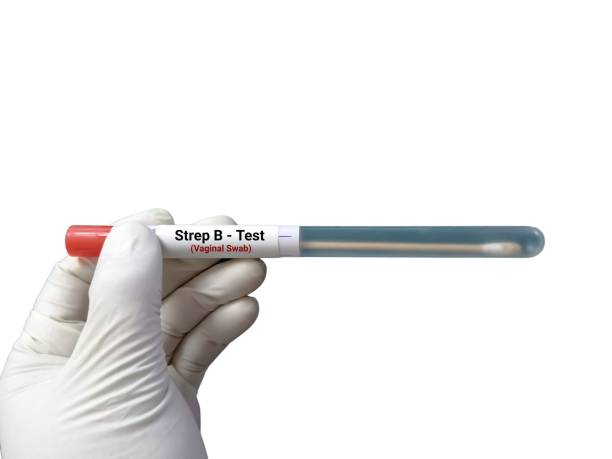
When you're expecting, there’s a lot to keep track of — doctor visits, ultrasounds, vitamins & tests. One important test that often gets overlooked is the Group B Streptococcus (GBS) screening. It’s simple, painless & could protect your baby from serious infections.
At Medivision, we’re committed to supporting mothers with safe, accurate & timely diagnostic services. Here’s what you need to know about GBS testing & why it matters.
What is Group B Strep?
Group B Streptococcus (GBS) is a common bacteria found in the vagina, rectum & intestines of many healthy adults. About 25% of pregnant women carry it without symptoms. While usually harmless, GBS can be passed to a baby during vaginal delivery, potentially causing serious illness in newborns. It can also affect people with weak or underdeveloped immune systems.
How Do Babies Get GBS?
There are two types of GBS infections in newborns:
• Early-onset GBS: Occurs within the first 6 days, often just hours after birth. It’s more common & usually passed from mother to baby during delivery. Premature babies are at higher risk, though most cases involve full-term infants.
• Late-onset GBS: Develops between 7 & 89 days after birth. It’s less common & usually less severe. The source is often unknown & may come from the environment or close contact.
Why is GBS Testing Important?
While GBS typically doesn’t affect the mother, it can cause serious infections in newborns – such as sepsis, pneumonia, or meningitis – within hours after birth. Routine testing during pregnancy helps identify those who carry the bacteria. If you test positive, receiving antibiotics during
labor can greatly reduce the risk of passing GBS to your baby & prevent life-threatening complications.
When to Get Screened?
GBS screening is typically done between 36 to 37 weeks of pregnancy. This timing is crucial because GBS levels can change over time. Testing closer to your due date provides the most accurate results to determine if you’re currently carrying the bacteria.
Symptoms of Group B Strep During Pregnancy
Most women who carry Group B Strep (GBS) don’t experience any symptoms. However, in some cases, it can lead to urinary tract infections (UTIs) or other complications. Possible symptoms may include:
• Frequent urge to urinate
• Burning or pain during urination
• Fever & chills
• Unusual vaginal discharge with a foul smell
• Abdominal pain
In rare cases, GBS can cause an infection in the amniotic fluid, increasing the risk of preterm labor. That’s why GBS testing is an important part of routine prenatal care.
How is the Test Performed?
The procedure is quick & straightforward. A healthcare provider or lab technician gently swabs the vaginal & rectal areas to collect a sample. It’s not painful & only takes a few seconds.
At Medivision Labs, our team ensures the process is carried out with complete privacy, comfort & care. The sample is then analyzed in our advanced diagnostic labs, with results typically available within 1–2 days.
What If You Test Positive?
If you test positive for GBS, there’s no need to be alarmed – it doesn’t mean you’re sick, only that you carry the bacteria. However, it does increase the chance of passing it to your baby during delivery. To reduce this risk, your healthcare provider will give you IV antibiotics during labor. This is the most effective way to protect your newborn from GBS-related infections. It’s important to note that antibiotics are only needed during labor, when your baby is most at risk – not before.
Why Choose Medivision for GBS Testing?
At Medivision, we combine clinical expertise, modern lab infrastructure & compassionate care to provide expectant mothers with the highest standards in diagnostic testing. We’re proud to partner with obstetricians & maternity hospitals to offer seamless, stress-free GBS screening services.
• Convenient locations across Kerala
• Clean, hygienic sample collection
• Trusted by leading healthcare professionals
• Fast, reliable test results
Your health & your baby’s safety are our top priorities.
Schedule Your GBS Test Today
If you’re in your third trimester, don’t wait — talk to your doctor about Group B Strep screening & visit your nearest Medivision collection center. A simple test can make a big difference in your baby’s first moments of life.